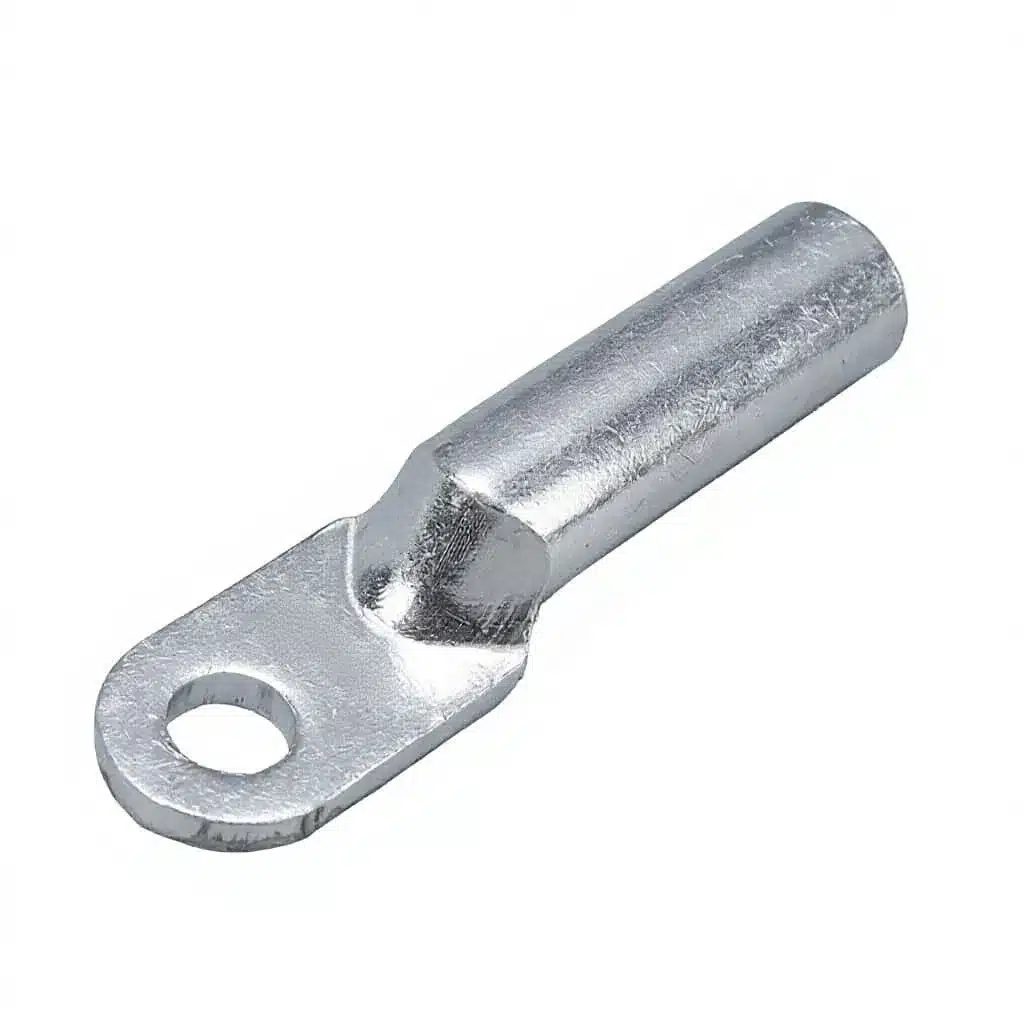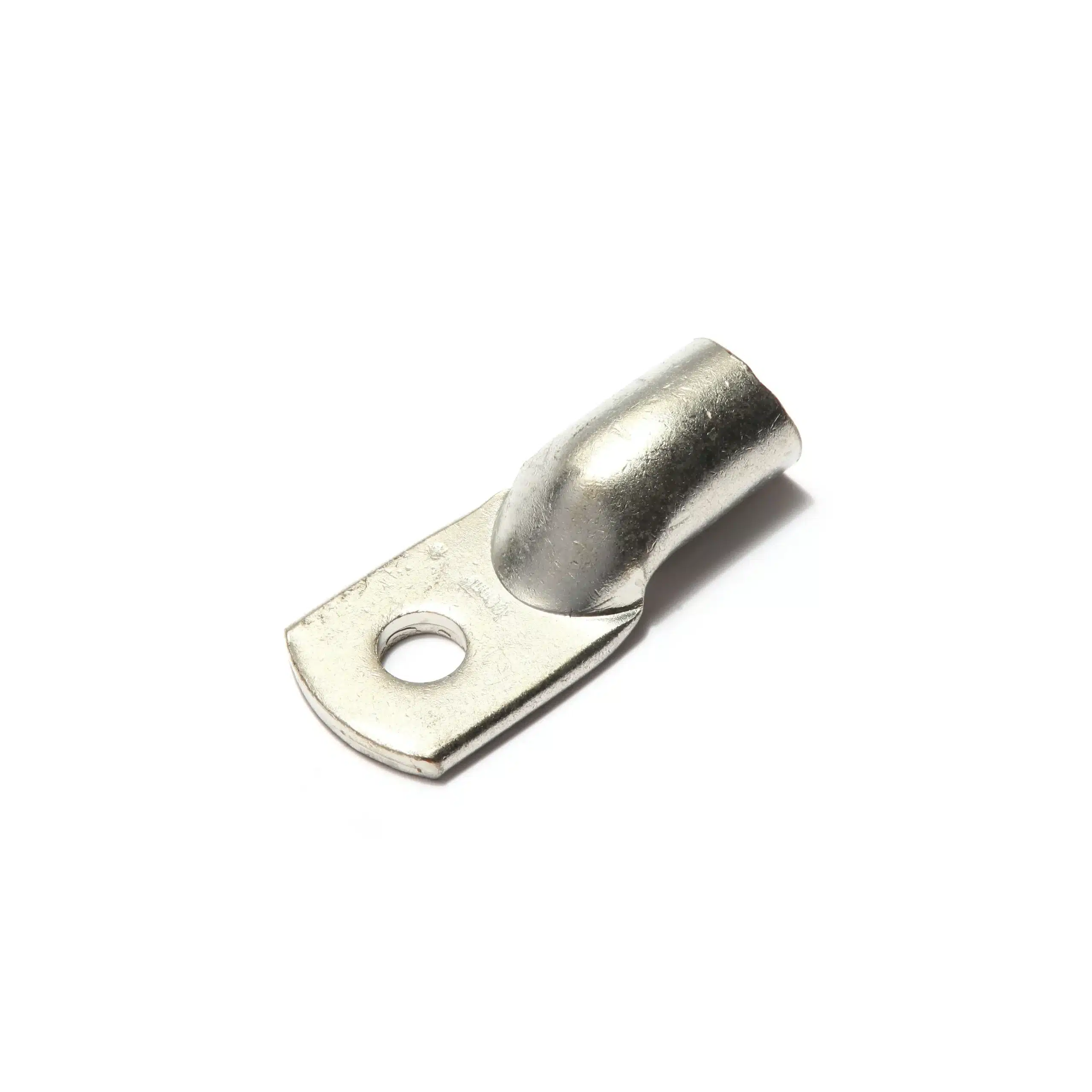


Tinned Copper Cable Lugs Manufacturer for OEM Buyers, Distributors and Wholesale Sourcing
Finding a copper lug factory in China is easy. But finding a manufacturing partner who actually understands that a single bad batch of split lugs can ruin your reputation with your clients? That’s the real challenge.
If you are a wholesale distributor, an OEM manufacturer, or a sourcing manager tired of dealing with suppliers who cut corners on copper purity, unstable plating thickness, or delayed shipping, you are in the right place. At DIFVAN, we don’t just dump boxes of lugs at your port; we secure your supply chain so you can grow your business with zero headaches.
Here is exactly what you get when you partner with us:
100% Pure TPC Copper (No Scrap Metal Hidden Inside)
Your Brand, Your Way (Zero Customization Drama)
Rock-Solid Consistency from Order #1 to #100
A Factory That Speaks Your Language (And Global Logistics)
Let’s Build a Stronger Partnership: What’s Your Biggest Bottleneck Right Now?

Product Range of Tinned Copper Lugs
we understand that as a buyer, distributor, or OEM, you need reliable tinned copper lugs that match your project requirements, installation conditions, and budget. That’s why we offer a wide range of high-quality tinned copper lugs designed to make your electrical connections safe, durable, and easy to install.
No matter which type of tinned copper lug you need, DIFVAN ensures you get:
- OEM & ODM Support– You can brand or customize lugs for your market.
- Consistent Quality– 99.9% ETP copper and high-quality tin plating guarantee long-lasting performance.
- Global Shipping– You can source from China confidently, knowing we serve distributors, OEM buyers, and wholesale clients worldwide.
- Cost-Effective Solutions– Factory-direct pricing means you improve margins without compromising quality.
Here’s how you can choose the right solution for your needs:
Tinned Copper Ring Lugs
If your equipment operates in high-vibration environments, the last thing you need is a loose screw causing a catastrophic arc flash. These closed-ring lugs ensure your cable stays bolted down under studs, no matter how much the machine shakes. Stamped from 99.9% ETP copper with a heavy tin coating, they stop oxidation before it starts.
Vibration-Proof Safety: The 360° closed ring cannot slip out from under the bolt, preventing accidental disconnections.
Zero-Oxidation Joints: Tin plating seals out moisture, keeping your contact resistance low for decades.
Engineered For: Power distribution grids, industrial control panels, heavy switchgears, and utility solar farms.
Looking for the right stud hole size (M6 to M16) for your heavy-duty cables?
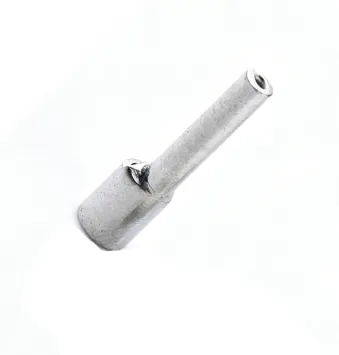
Tinned Copper Pin Lugs
Frustrated with stray wire strands fraying or short-circuiting when you try to force heavy cables into tight PLC terminal blocks? These pin terminals turn messy wire ends into a solid, compact pin, making your field installations fast, clean, and perfectly safe.
Fray-Free Insertion: Groups loose wire strands into a tight pin, eliminating short-circuit risks in crowded panels.
Space-Saving Design: Fits perfectly into narrow European-style terminal blocks and industrial connectors.
Engineered For: Industrial automation systems, PLC control cabinets, and renewable energy control boxes.
Need custom pin lengths or thinner diameters for a specific terminal block brand?

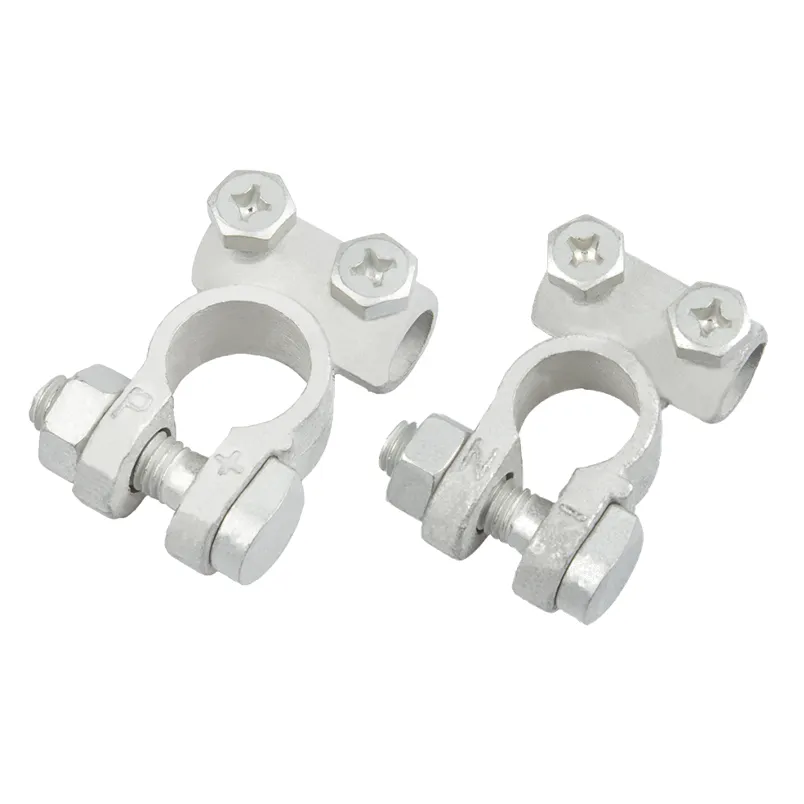
Tinned Battery Lugs
High-current battery banks create intense heat and heavy chemical vapors that eat bare copper for breakfast. These heavy-wall battery lugs are built with thicker barrels to handle massive amperages without melting your cable insulation or dropping voltage.
Thicker Walls for Heavy Crushing: Built to withstand maximum hydraulic pressure without cracking or splitting open.
Zero Voltage Drop: 99.9% pure copper ensures your inverter or backup power system gets maximum juice with zero energy waste.
Engineered For: Commercial Energy Storage Systems (ESS), solar battery banks, UPS backups, and marine battery setups.
Do you need a custom long-barrel design for heavy-duty battery terminals?

Cable Lug Material Comparison
Clear markings on barrel to indicate correct crimping location
In accordance withDIN 46235
Material: Cu >99.9%
Surface: electro tin plated
Application: medium voltage
| Item No. | Φ±0.5 | D ±0.5 | d ±0.5 | L ±2 | C1 ±0.5 | C2 ±0.5 | W ±1.5 | Package(pcs) | Gross weight(kg) |
| AUS-10 | Φ6.5,Φ8.5 | 6.5 | 5 | 29 | 8 | 8 | 9.5 | 6000 | 20 |
| AUS-16 | Φ6.5, Φ8.5 | 8 | 6 | 36.5 | 10 | 10 | 11.5 | 2400 | 24 |
| AUS-25 | Φ6.5,Φ8.5,Φ10.5 | 10.5 | 8 | 36.5 | 12 | 12 | 15.3 | 1600 | 24 |
| AUS-35 | Φ8.5,Φ10.5 | 12.5 | 9.5 | 41.5 | 13 | 13 | 18 | 8000 | 23 |
| AUS-50 | Φ8.5, Φ10.5, Φ12.5 | 14.5 | 11 | 54 | 15 | 15 | 20.5 | 600 | 25 |
| AUS-70 | Φ8.5, Φ10.5, Φ12.5 | 16.5 | 13 | 57 | 15 | 15 | 24 | 360 | 22.5 |
| AUS-95 | Φ10.5, Φ12.5, Φ14.5 | 19 | 14.5 | 63 | 15 | 15 | 27.5 | 240 | 20 |
| AUS-120 | Φ10.5, Φ12.5, Φ14.5 | 20.5 | 16 | 68 | 16 | 16 | 30 | 240 | 27 |
| AUS-150 | Φ10.5, Φ12.5, Φ14.5 | 23.5 | 18 | 79 | 16 | 16 | 34 | 120 | 20 |
| AUS-185 | Φ10.5, Φ12.5, Φ14.5 | 26 | 20.5 | 82 | 17 | 17 | 38 | 120 | 22.5 |
| AUS-240 | Φ10.5, Φ14.5 | 28 | 22.5 | 90 | 21 | 21 | 41 | 120 | 32 |
| AUS-300 | Φ16.5 | 30 | 23.5 | 99 | 21 | 21 | 43 | 90 | 29 |
Types of Cable Lugs by Design
Beyond material, cable lugs are also classified by how they connect to the conductor and the terminal. The three main design categories are compression lugs, mechanical lugs, and tubular lugs.

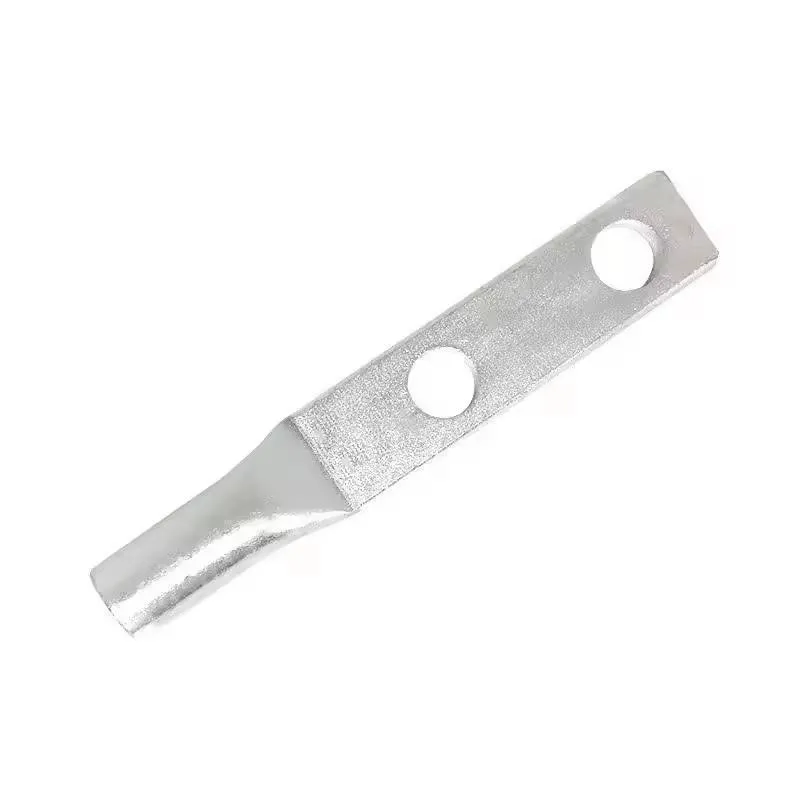
Tinned Copper Two-Hole Lugs
Have you ever checked a high-vibration power cabinet only to find a single-hole lug has twisted, loosened, and started a dangerous electrical arc? Bolting down these 99.9% pure ETP tinned copper two-hole lugs completely eliminates terminal rotation and backing off over time, keeping your connections rock-solid and corrosion-free through constant machinery shaking.

Tinned Copper Long Barrel Lugs
Standard short-barrel lugs risk wire pull-out or overheating when your heavy-duty cables face constant physical stress or massive current surges. These tinned copper long-barrel lugs double your crimping zone for maximum pull-out resistance, while the extended 99.9% pure copper barrel maximizes contact to lower resistance and act as a massive heat sink.

Tinned Copper Heavy Duty Lugs
Cheap, thin-walled terminals will literally melt under high-amperage grid connections or brutal mechanical loads. These heavy-duty tinned copper lugs feature an extra-thick wall design and premium 99.9% pure ETP copper, acting as the ultimate insurance policy to prevent voltage drops and block out moisture or chemical fumes.
Why Choose Tinned Copper Lugs Instead of Bare Copper Lugs?
If you’ve ever had to replace a burnt-out cable joint in the middle of a rainy season, you already know how costly a bad material choice can be. When your electrical connections face moisture, salty sea air, or harsh industrial fumes, saving a few cents on the wrong lug today will cost you thousands in emergency maintenance later.
You might be asking yourself: “Is it really worth paying a bit more for tinned copper lugs, or can I just get away with bare copper?”
Let’s look at the raw truth. Both handle electricity perfectly at day one. But the real battle starts after 6 months in the field.
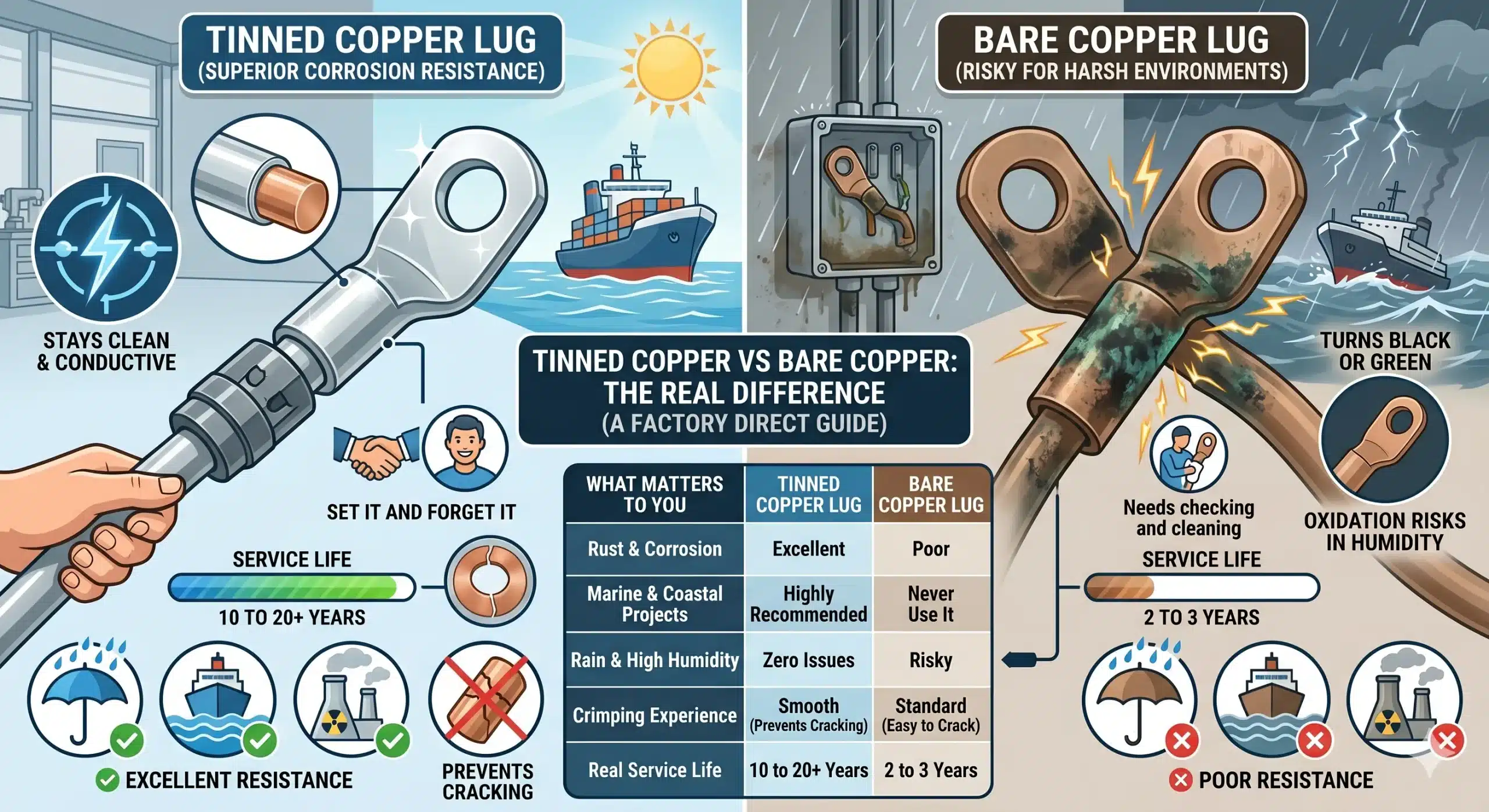
Tinned Copper Lug vs Bare Copper Lug: The Real Difference
What Matters to You | Tinned Copper Lug | Bare Copper Lug |
Rust & Corrosion Resistance | Excellent. The tin layer stops oxygen from touching the copper. | Poor. It turns black or green faster than you think. |
Marine & Costal Projects | Highly Recommended. Saltwater can’t touch it. | Never Use It. Salt air will destroy the connection in months. |
Rain & High Humidity | Zero Issues. Stays clean and conductive. | Risky. Moisture starts the oxidation clock immediately. |
Crimping Experience | Smooth. The tin coating prevents the lug from cracking under heavy pressure. | Standard. Easy to crack if the copper purity isn’t 99.9%. |
Real Service Life | 10 to 20+ Years. Set it and forget it. | 2 to 3 Years. Needs constant checking and cleaning. |
The Hidden Nightmare of Bare Copper Lugs
Copper loves oxygen. The moment bare copper meets air and humidity, a chemical reaction starts, forming a dark green or black oxide layer.
To your electrical system, this oxide layer acts like a firewall. It doesn’t let current pass smoothly. Here is what happens next to your project:
Resistance Shoots Up: Your current has to fight its way through the oxide layer.
The Joint Gets Hot: Higher resistance means massive heat buildup. It can literally melt your cable insulation.
Voltage Drops: Your equipment won’t get the stable voltage it needs to run safely.
Unplanned Shutdowns: The connection eventually fails, causing power outages that drive your clients crazy.
If your project is outdoors, using bare copper is like ticking a time bomb for your maintenance team.
Why Tinned Copper Lugs Are Your Best Insurance Policy
Think of the tin plating as a bulletproof vest for your copper. It takes all the environmental beating while keeping the highly conductive copper inside perfectly safe.
When you switch to DIFVAN tinned copper lugs, you are actually buying peace of mind:
No More Black Joints: Our lugs stay bright, white, and clean even after years in outdoor environments.
Zero Cracking When Crimping: Because we use high-purity copper underneath the tin, the metal stretches perfectly under your hydraulic tools without a single micro-crack.
Slash Your Maintenance Budget: You won’t need to send engineers out to clean oxide off terminals or replace burnt lugs every summer.
When Should You Absolutely Refuse Bare Copper?
Don’t risk your reputation. You must use tinned copper lugs if you are working on:
Solar & Wind Farms: Constant outdoor weather exposure and temperature swings.
Marine & Offshore Power: High salinity that eats bare copper for breakfast.
Industrial Switchgears & Control Panels: High humidity and chemical vapors.
Telecom Towers: Remote locations where maintenance trips cost a fortune.
DIFVAN Lugs: Heavy-Duty Quality Straight from Our Factory Floor
We don’t buy cheap scrap copper. At DIFVAN, every single lug is stamped from 99.9% pure ETP copper and goes through our specialized electro-tin plating line to ensure the tin layer is thick enough (5-8 microns) to actually do its job.
Whether you need standard AWG sizes for a quick distributor order or long-barrel, two-hole custom lugs for a massive utility project, we control the quality from raw metal to the final plating.
Are you designing a system for a specific outdoor environment, or are you trying to match a strict engineering specification for an upcoming bid?
When Should You Use Tinned Copper Lugs?(application)
You should choose tinned copper lugs whenever you want safe, reliable, and long-lasting electrical connections that can withstand harsh environments and demanding applications. Here’s when they make the most difference for you:
Outdoor and Humid Environments
If your cables are exposed to rain, humidity, or fluctuating temperatures, tinned copper lugs prevent corrosion and maintain stable conductivity. This helps you avoid voltage drops, overheating, and maintenance headaches.
Marine and Coastal Applications
For projects near the sea or offshore, bare copper lugs will quickly oxidize and fail. Tinned copper lugs resist saltwater corrosion, keeping your electrical connections safe in boats, ships, and coastal installations.
High-Vibration or Industrial Installations
In factories, heavy machinery, or transport systems, vibrations can loosen regular connections. Tinned copper lugs with secure crimping provide stable, vibration-resistant connections, so you don’t risk downtime or equipment damage.
Battery Systems and Solar Installations
Whether it’s a UPS, energy storage system, or solar array, tinned copper lugs handle high-current loads reliably while reducing oxidation and heat buildup. This ensures your critical power systems remain efficient and safe.
Long-Term Projects Systems
For installations where replacing lugs is costly or inconvenient—like remote substations, telecom towers, or renewable energy sites—tinned copper lugs extend service life and reduce maintenance frequency, saving you time and money.
OEM, Distribution, or Wholesale Applications
If you source in bulk or supply other businesses, using tinned copper lugs helps you offer higher-quality products that meet international standards (ISO, RoHS, UL) and satisfy clients in multiple regions.
What Is the Ideal Tin Plating Thickness for Cable Lugs?
If you are sourcing copper lugs for a critical project, here is a dirty industry secret many suppliers won’t tell you: many cheap terminals look shiny and white only because they have a micro-thin flash coating of tin that rubs off during installation.
To your business, the thickness of that invisible tin layer is the difference between a project that runs flawlessly for 20 years and a costly electrical failure that destroys your reputation with your clients. Choosing the wrong specification means you either overpay for thickness you don’t need, or watch your terminals turn black and corrode within months.
The Real Plating Standards You Need to Look For
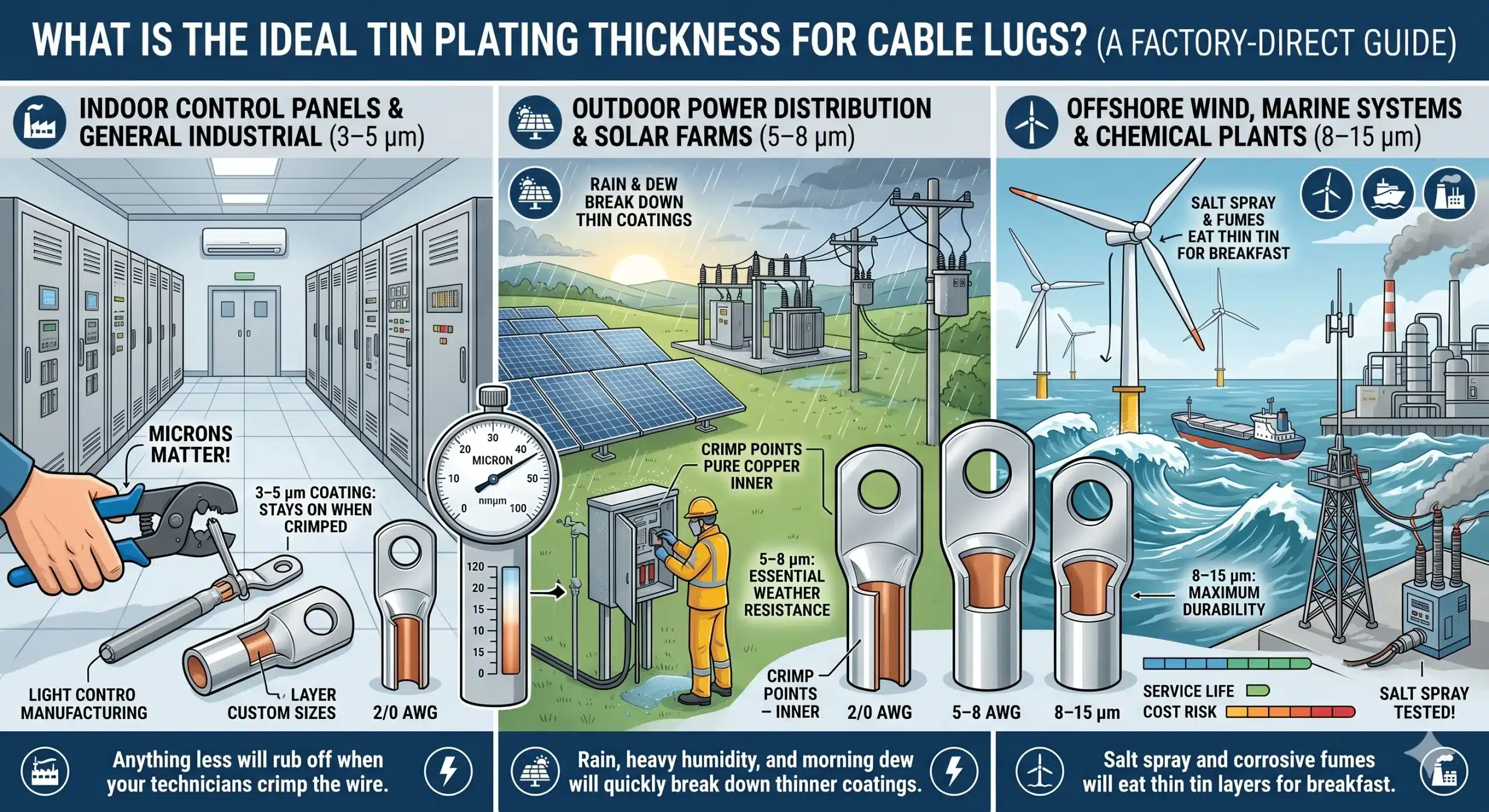
To save you from unexpected maintenance headaches and over-budget sourcing, here is exactly how much tin thickness your project actually demands based on real-world engineering standards:
Your Actual Project Environment | Recommended Tin Thickness | The Risk If You Guess Wrong |
Indoor Control Panels & General Industrial | 3–5 μm | Anything less will rub off when your technicians crimp the wire. |
Outdoor Power Distribution & Solar Farms | 5–8 μm | Rain, heavy humidity, and morning dew will quickly break down thinner coatings. |
Offshore Wind, Marine Systems & Chemical Plants | 8–15 μm | Salt spray and corrosive fumes will eat thin tin layers for breakfast. |
Why the Wrong Microns Will Break Your Supply Chain
Let’s talk straight about what happens when a factory cuts corners on the plating line to give you a “cheaper” quote:
When It’s Too Thin (The Cheap Trap): If the tin layer is under 3 microns, the copper underneath actually diffuses through the tin over time. The moment your team applies heavy hydraulic pressure during crimping, the thin coating cracks, exposing bare copper to air. Before you know it, resistance shoots up, the joint overheats, and your cable insulation melts.
When It’s Too Thick (The Wasteful Trap): Some suppliers try to sell you overly thick plating just to charge you premium prices. But pure tin is softer than copper; if it’s unnecessarily thick, it can actually reduce electrical conductivity at the joint and make your crimping dies slip.
How DIFVAN Precision Plating Saves Your Budget and Reputation
At DIFVAN, we don’t believe in one-size-fits-all, and we never guess the numbers. We run a fully automated, state-of-the-art electro-tin plating line equipped with X-ray thickness testers to guarantee you get exactly what your blueprint calls for:
Optimized Industrial Lugs (3–5 μm): Perfect for your standard commercial builds. You get excellent conductivity and reliable shelf-life without paying a single cent extra.
Weather-Proof Outdoor Lugs (5–8 μm): Built specifically for utility solar and wind projects. These lugs handle relentless temperature swings and high humidity with zero oxidation.
Marine-Grade Heavy Lugs (8–15 μm): Engineered to survive brutal marine environments. This heavy-duty barrier completely locks out harsh salt air and corrosive chemical vapors.
When you partner with us, you aren’t just buying another bulk box of metal parts—you are locking in a bulletproof supply chain tailored to your exact engineering realities.
Are you sure your current supplier is actually delivering the plating thickness promised on their data sheets, or are you preparing a bid for a harsh outdoor project that requires strict compliance testing?
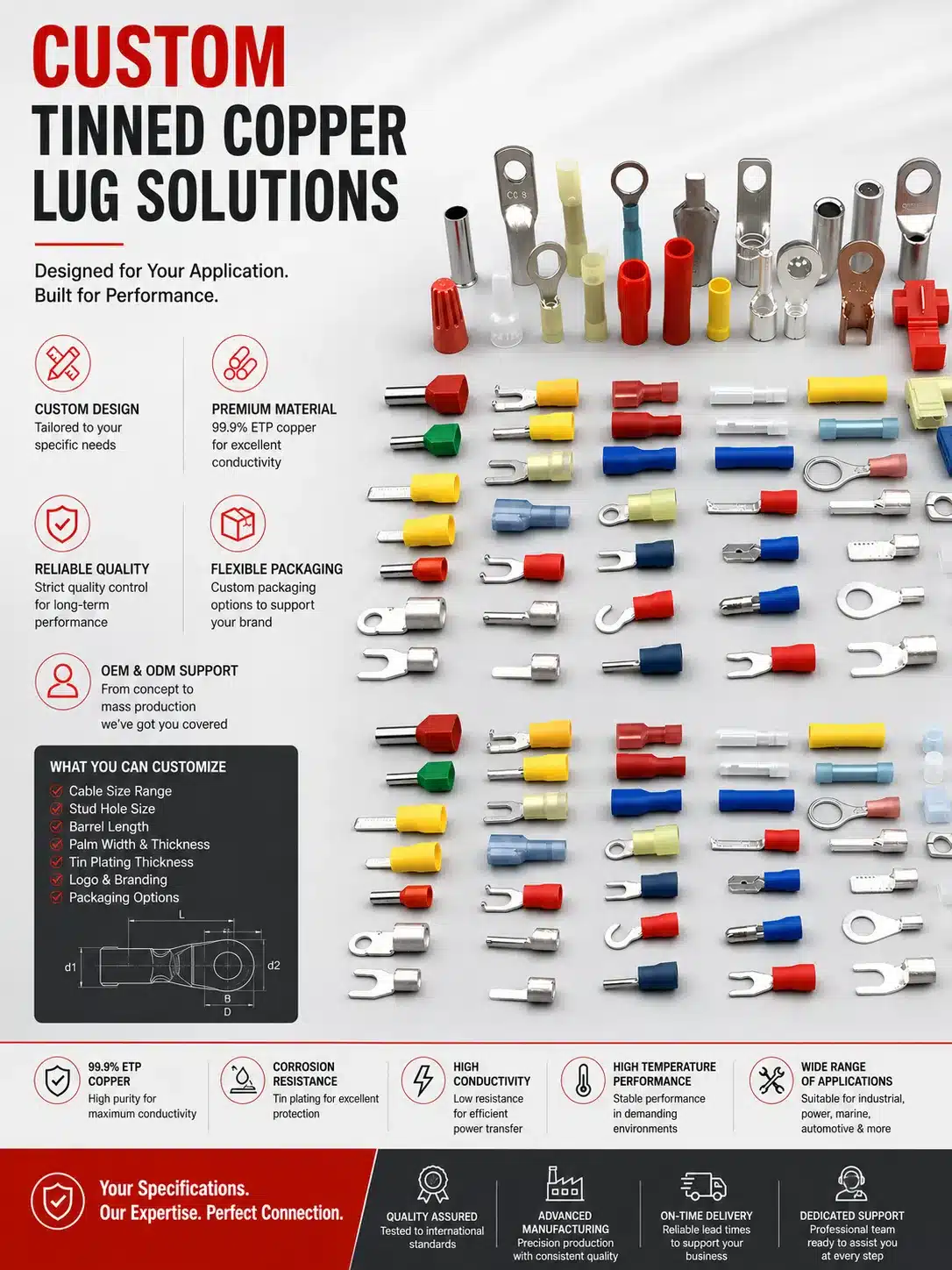
Custom Tinned Copper Lug Solutions Built for Your Exact Specs
Standard catalogs don’t fit every blueprint. If you are struggling with tight spaces, unique hole spacing, or non-standard cables, forcing off-the-shelf parts will only cause hot spots and failed safety audits. We bridge the gap between complex engineering drawings and direct factory production.
What Can You Customize?
Tailored Cable Barrels: Custom internal diameters for high-strand flexible cables to guarantee a gas-tight crimp.
Precision Stud Holes: Exact hole diameters (M6 to M20) and custom dual-hole spacing to fit your busbars perfectly.
Extended Barrels: Lengthened tube walls to allow multiple crimps for maximum pull-out resistance.
Optimized Palms: Narrowed widths for crowded PLC boxes, or extra thickness for heavy amperage loads.
Plating Thickness: Precision electro-tinning from 3–5μm for indoor panels up to 15μm for harsh marine environments.
Branding & Packaging: Your logo stamped on the copper, custom part numbers, and retail-ready branded boxes.
Inside the DIFVAN Factory: How We Build Cracking-Free, Corrosion-Proof Lugs
Let’s be honest: most buyers think copper lugs are just simple chopped metal tubes. But if a factory skips even one hidden step during production, you’ll end up with a container of brittle lugs that split open under your hydraulic crimpers or turn black with rust inside your clients’ control panels.
At DIFVAN, we don’t cut corners. Here is the exact, step-by-step manufacturing process we use to safeguard your reputation and keep your supply chain 100% headache-free.
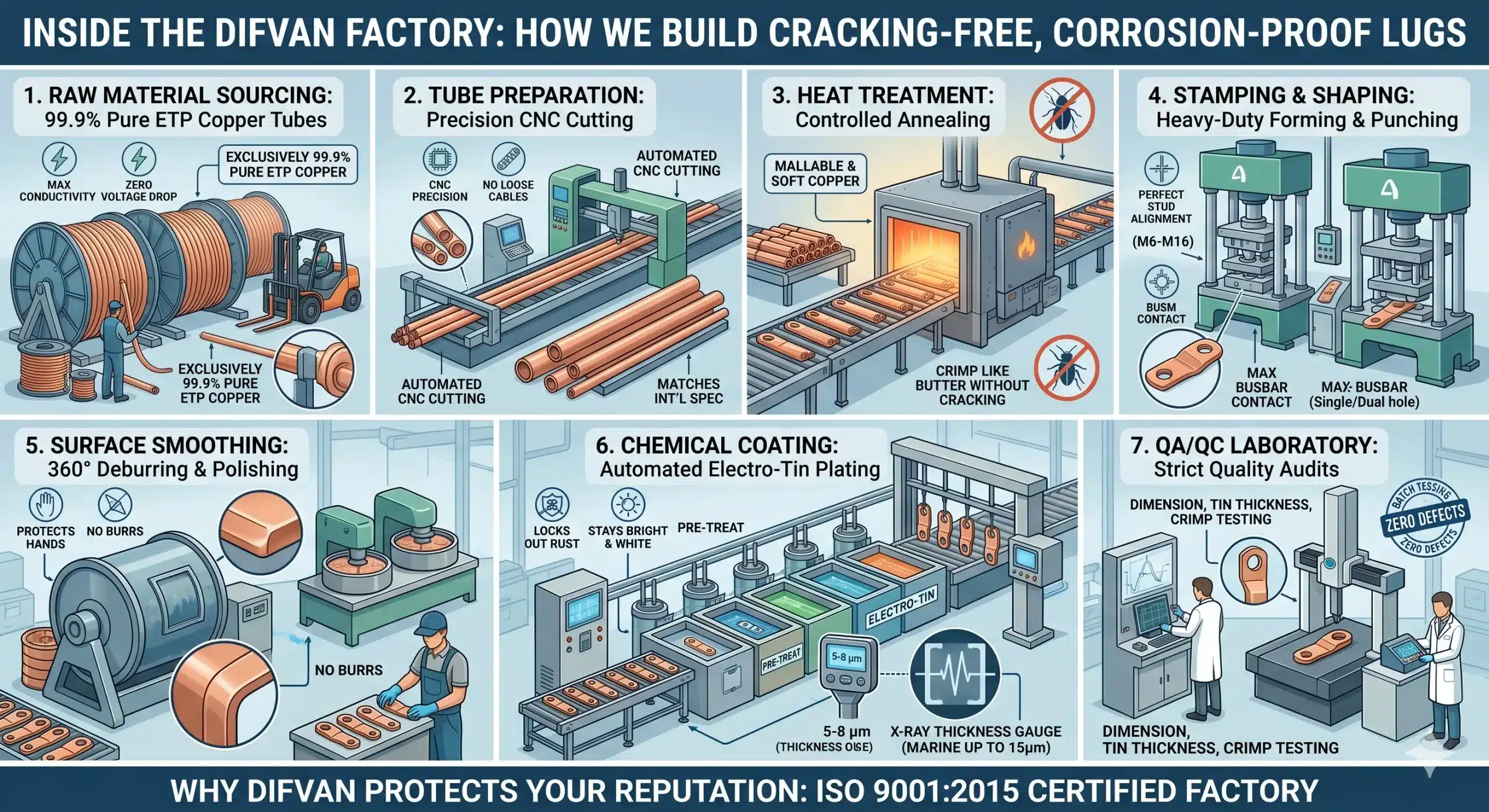
1.Selecting 99.9% Pure ETP Copper (The Antidote to Melting):Raw Material Sourcing.
Your clients expect maximum conductivity and zero voltage drops. We start exclusively with 99.9% pure ETP copper tubes. We never mix in cheap scrap brass or recycled alloys, ensuring your finished terminals can handle massive amperage loads without overheating or melting your cable insulation.
2.Precision Cutting & Sizing (No More Loose Cables):Tube Preparation.
Have you ever bought lugs where the cable barrel was either too tight to push the wire into or so loose it slipped out after crimping? We use automated CNC cutting lines to ensure both the internal diameter (ID) and wall thickness perfectly match international standard specifications.
3.Controlled Annealing (The Secret to Zero Cracking):Heat Treatment.
This is where cheap factories skip steps to save electricity. Pure copper hardens when worked. We put every single batch through a precise, controlled annealing furnace. This makes the copper malleable and soft enough to crimp like butter under your hydraulic tools without a single micro-crack.
4.Heavy-Duty Forming & Punching (Perfect Stud Alignment):Stamping & Shaping.
Using our in-house precision molds, we flatten the palm and punch the stud holes exactly to your blueprint (from M6 up to M16). Whether you need standard single holes or specific NEMA dual-hole spacing, the palms are perfectly flat to ensure maximum surface-to-surface contact with your busbars.
5.360° Deburring & Polishing (Protecting Your Technicians’ Hands):Surface Smoothing.
Sharp burrs on raw metal terminals can slash your installation team’s hands or slice into expensive cable insulation during insertion. We tumble and polish every batch to remove every sharp edge, making wire insertion fast, smooth, and completely safe.
6.Automated Electro-Tin Plating (Locking Out Salt Air & Rust):Chemical Coating.
We don’t just give our lugs a flash-thin wash that rubs off. Our automated electro-tin line applies a precision-controlled 5 to 8-micron tin layer (and up to 15μm for marine projects). We run X-ray thickness checks on every batch to guarantee your terminals will stay bright, white, and rust-free even in coastal or humid solar farm environments.
7.Strict Quality Audits & Batch Testing (Zero Defect Shipments):QA/QC Laboratory.
Before a single carton is taped closed, our QC team performs rigid mechanical and electrical testing. We check dimension tolerances, verify the tin plating thickness, and conduct crimp testing. If a batch doesn’t match the approved spec perfectly, it never leaves our floor.
Why this process protects your bottom line:
When you buy from DIFVAN, you aren’t gambling on unverified workshop quality. Because we manage everything from copper extrusion to final automated plating inside our own ISO 9001:2015 certified factory, you get the exact same premium quality in Order #100 as you did in your first sample. No surprises, no project delays, and no angry client phone calls.
Ready to See Our Factory Quality in Your Own Hands?
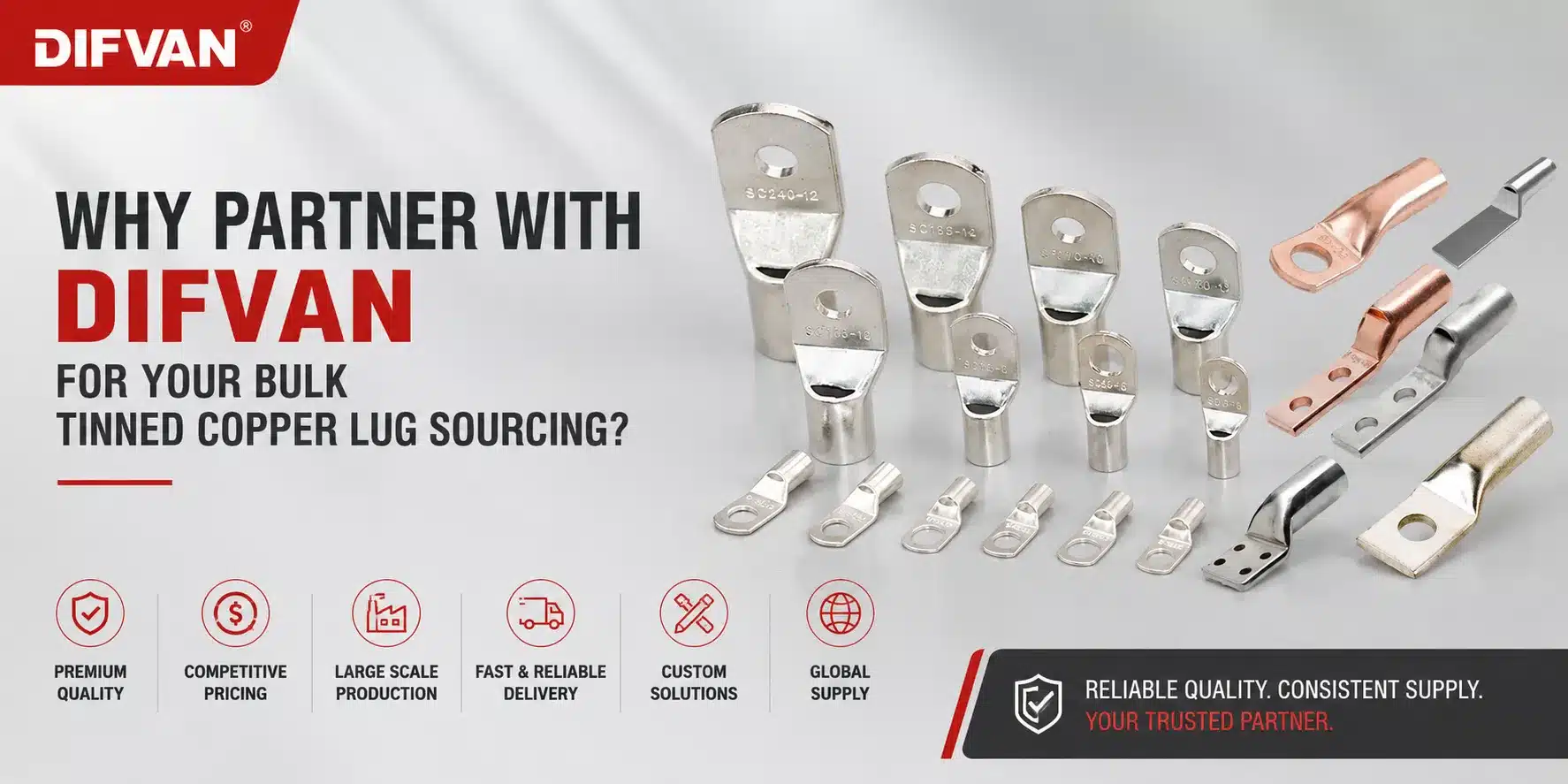
Why Partner with DIFVAN for Your Bulk Tinned Copper Lug Sourcing?
Let’s be completely honest: finding a factory that can stamp a piece of copper is easy. The hard part is finding a partner who understands that a single batch of bad lugs can delay a million-dollar solar project, ruin your reputation with major EPC contractors, or fail a strict customs audit.
If you are a wholesale distributor, an OEM builder, or a global sourcing manager, you don’t need another generic vendor—you need a friction-free supply chain. Here is exactly how DIFVAN solves your biggest sourcing headaches:
1. Zero Compliance Risks: Certificates That Open Global Markets
Are you tired of losing major B2B bids because your supplier’s paperwork doesn’t hold up under engineering scrutiny? We protect your business with bulletproof global compliance:
UL-Listed & CE-Marked: Ready for high-spec projects and instant specification approval across North America and Europe.
RoHS Compliant & SGS Verified: 100% protection against strict hazardous substance audits and environmental regulations at the port.
Bid-Ready Documentation: We provide full technical data sheets and certification files to help your sales team win contracts faster.
2. The End of the “Perfect Sample, Terrible Bulk Order” Nightmare
There is nothing worse than approving a flawless initial sample, only to open a container months later and find split barrels, off-size holes, or thin plating that rubs off. We eliminate this risk completely:
ISO 9001:2015 Certified Facility: Every production step—from raw copper extrusion to automated electro-tin plating—is managed under one strict quality system.
99.9% Pure ETP Copper: We never use cheap recycled scrap. Our lugs crimp smoothly without a single micro-crack, ensuring zero overheating and zero buyer complaints.
Precision Thickness Control: Every batch undergoes X-ray testing to guarantee the tin layer is thick enough (5–8μm+) to stop saltwater and humidity corrosion for decades.
3. Direct Factory OEM Flexibility Without the Crazy Middleman Fees
Need your brand’s logo stamped on the lug palm, or chasing a weird dual-hole spacing that no standard catalog carries? Skip the clueless trading companies and deal directly with the source:
In-House Tool & Die Shop: We design and cut our own molds, cutting engineering feedback time from weeks to hours.
Customization Without the Drama: Whether you need extra-long barrels, special 45°/90° bends, or retail-ready private-label packaging, we do it all in-house.
Low Tooling Barriers: We don’t lock you out with crazy high customization costs, making it easy to adapt to your local market needs.
4. Direct-from-Factory Margins to Win Highly Competitive Bids
In today’s B2B landscape, buying through brokers or multi-tier distributors eats away your profits and delays your lead times. We help you take back control:
Tier-1 Wholesale Pricing: Cut out the middlemen to unlock aggressive pricing that gives you a massive edge on heavy infrastructure or utility bids.
Massive Sourcing Variety: From small control-wiring terminals to heavy-duty 500 MCM battery lugs, you can consolidate your entire order to save on shipping.
Reliable Factory Lead Times: No ghosting, no fake excuses. You get transparent production tracking so you can promise accurate delivery dates to your clients.
Are you currently preparing a technical submittal for an upcoming project that requires strict UL/CE documentation, or are you looking to replace an unreliable supplier whose quality issues are hurting your wholesale brand?
Our Certifications & Quality Standards
Quality is not negotiable in cable lug manufacturing. A defective lug can cause overheating, connection failure, or fire. As an ISO 9001 certified Tinned Copper Cable Lug manufacturer, DIFVAN implements strict quality control at every production stage:
- Raw Material Testing: Conductivity, purity, and dimensional verification before production begins.
- In-Process Inspection: Regular checks during stamping, annealing, and plating to catch deviations early.
- Finished Goods Testing: Pull-out tests, dimensional measurement, plating thickness verification on every batch.
- Packing Inspection: Double-check during packing to verify correct quantities, sizes, and labels before shipment.
Our certifications include: ISO 9001:2015 (quality management), RoHS (hazardous substance restriction), UL (product safety), CE (European conformity), and SGS verification. Full documentation provided with every bulk order.
Frequently Asked Questions About Tinned Copper Cable Lugs
Q:Do Tinned Copper Lugs Reduce Electrical Conductivity?
The short answer is absolutely not—at least, not in any way that will ever impact your real-world system performance. You are getting the elite conductivity of pure copper combined with an armor plating of corrosion protection.
The Copper Does the Heavy Lifting: The core of the lug remains high-purity copper, while the tin layer is a microscopic shield.
Negligible Delta: In 99% of electrical networks, the difference in electrical resistance between bare and tinned copper is too small to even measure.
Prevents Long-Term Energy Loss: Bare copper turns green or black with oxide, which creates a high-resistance barrier. Tin plating stops this oxidation, keeping your voltage stable for decades.
The Smarter Long-Term Investment: If your project faces rain, coastal salt air, or factory fumes, tinned lugs actually maintain better conductivity over time because they don’t degrade.
Are you drafting specs for a high-efficiency power system and need certified conductivity datasheets to pass your engineering audit?
Q: Can I Use Tinned Copper Lugs with Aluminum Cables?
Stop right there—this is a dangerous trap. While the tin plating offers a tiny bit of protection, forcing a direct connection between copper and aluminum is a recipe for a maintenance disaster.
The Galvanic Battery Effect: When aluminum and copper touch in the presence of moisture, they create a galvanic cell. The aluminum will literally corrode and eat itself away.
The Overheating Nightmare: As the aluminum degrades, contact resistance skyrockets. This creates massive hot spots that can melt your enclosures or trigger an electrical fire.
You Need a Bimetallic Lug: If you are running aluminum cables, you must use a specialized bimetallic friction-welded lug (aluminum barrel joined to a copper palm).
Don’t Forget the Compound: You must apply an approved anti-oxidation joint compound and torque the bolts strictly to spec to keep the joint safe.
Are you trying to connect aluminum cables to a copper busbar right now?
Q: How Do I Check if a Tinned Copper Lug Is High Quality?
Let’s be honest: many factory samples look great, but the bulk container arrives full of junk. Buying low-quality lugs will ruin your crimping dies, split open under pressure, and drive your clients crazy. Here is how you spot the good stuff:
Look at the Surface Finish: High-quality plating must be completely smooth and uniform. If you see peeling, tiny cracks, sharp burrs, or dark spots, the factory skipped the surface cleaning step.
Demand 99.9% Pure ETP Copper: Cheap suppliers mix in recycled scrap brass, which is brittle and has terrible conductivity. High-purity copper feels heavy and shapes perfectly without cracking.
Check the Tube Wall & Dimensions: The barrel must be thick and perfectly uniform. If one side of the tube wall is thinner than the other, your hydraulic tools will crimp unevenly and lower your pull-out strength.
Audit Their Certification Paperwork: A reliable factory won’t dodge your questions. Ask for UL listings, CE marks, RoHS compliance, and ISO 9001:2015 tracking.
Tired of suppliers who send great samples but deliver low-quality bulk orders?
Q: How Do I Choose the Right Lug Size for My Cable?
Guessing your lug sizes is the number one reason behind loose joints, voltage drops, and melted insulation. A barrel that is too loose won’t crimp tight; a barrel that is too tight will force your team to hack off cable strands. Follow these three steps:
Step 1: Know Your Cable Standard: Identify your true cross-sectional area (e.g., 16mm², 35mm², 70mm²) or match it to the exact American Wire Gauge (AWG/MCM) rating.
Step 2: Cross-Reference the Barrel Series: Match the cable size to the corresponding lug code. For example, a 16mm² cable demands an SC16 lug, and a 50mm² cable requires an SC50 lug.
Step 3: Check Your Stud Hole (The “M” Rating): Measure the mounting bolt on your busbar or transformer. Choose the correct hole size (M6, M8, M10, M12) so the palm sits perfectly flat under the washer.
Step 4: Use the Right Tooling: Always verify that your hex or indent crimping dies are rated for the exact lug series you purchased.
Confused about matching unique flexible high-strand cables with standard metric lug sizes?
Q: What Is the Difference Between Electro-Tinned and Hot-Dipped Tinned Lugs?
Both look silver, but they are built for entirely different battlefields. Choosing the wrong processing method will either blow your budget or cause premature rust in the field.
Electro-Tinned Lugs (The Precision Choice): These are plated using an electrical bath. They give you a perfectly uniform, smooth finish with incredible dimensional accuracy. They are highly cost-effective and the gold standard for indoor panels, solar switchgears, and general industrial wiring.
Hot-Dipped Lugs (The Brutal Protection Choice): These are dipped directly into molten tin. The coating is much thicker and uneven, but it provides a massive, heavy barrier against extreme environments.
The Operational Reality: For 95% of standard commercial and industrial applications, electro-tinning (with a controlled 5–8μm thickness) offers the best balance of price and protection. You only need hot-dipped if you are building offshore oil rigs or deep-sea marine equipment.
Not sure whether your upcoming outdoor project requires standard electro-tinning or heavy hot-dipped protection?
Q: How Long Does Tin Plating Last?
There is no single expiration date. A premium tinned copper lug can easily last 10 to 20+ years, but its lifespan depends entirely on how thick the plating is and how brutal the environment is.
The Environmental Killers: Intense humidity, constant saltwater spray, industrial acid vapors, and extreme operating temperatures will accelerate plating wear.
The Salt Spray Test (ASTM B117): This is how professional labs measure lifespan. Lugs rated for 48 hours are meant for dry indoor use. Lugs tested for 500 to 1000+ hours are built to survive open marine systems and harsh coastal solar fields.
Installation Damage: If your crimping tools are worn out or have sharp edges, they will scrape the tin plating off during installation, exposing the raw copper to rust on day one.
Does your project specification require a guaranteed 500+ hour or 1000+ hour salt spray test certificate?
Q: Can Tinned Copper Lugs Be Reused?
The answer is a hard no. Trying to reuse a crimped cable lug to save a few dollars is one of the biggest safety violations in the electrical industry.
Permanent Metal Deformation: When your hydraulic tools crush the lug barrel, the copper molecular structure changes permanently to lock around the wire. It loses all its elasticity.
The Loose Connection Trap: If you try to pry open an old barrel and re-crimp it, the metal will stretch, crack, or leave hidden micro-gaps inside.
Unpredictable Pull-Out Strength: A reused lug has terrible mechanical grip. The cable can easily pull loose under physical stress or thermal expansion.
Save Money, Lose the Project: The cost of a brand-new DIFVAN lug is pennies compared to the thousands of dollars you will spend dealing with a burnt enclosure, emergency downtime, or an insurance dispute. Always cut the wire and use a fresh lug.
Are your field technicians wasting valuable time trying to repair old connections?
Contact Difvan Directly
Response within 24 hours. Factory direct — no middlemen.
No.1 HongQi Road, Xinguang Industrial Zone,
Liushi, Yueqing, Wenzhou, Zhejiang, China 325603
Source Tinned Copper Cable Lugs from DIFVAN — Your Manufacturing Partner
Whether you need standard copper compression lugs for a distribution panel, custom bimetallic lugs for a substation, or a full OEM cable lug program with your brand packaging, DIFVAN is the Tinned Copper Cable Lug manufacturer that delivers. 20+ years of manufacturing. ISO 9001 quality. 50+ countries served. Factory-direct pricing with free samples and 30-day credit.
Stop paying middleman markups. Start working directly with the Tinned Copper Cable Lug factory that makes the product.