
What Is a Terminal Block?
If you’ve ever worked on an electrical control panel, automation system, or industrial machine, you know how important clean, secure wire connections are.
That’s where terminal blocks come in.
These simple, reliable components might not get much attention, but they do the heavy lifting when it comes to organizing wires, simplifying connections, and keeping your circuits safe and easy to manage.
Whether you’re wiring up a new system , troubleshooting an old one, or building panels for global clients, knowing how to properly wire a terminal block saves time, avoids errors, and keeps your equipment running smoothly.
At DIFVAN, we work with professionals like you every day control panel builders, OEM, system integrators, electrical contractors who need dependable, certified terminal blocks that can handle real world challenges. We supply a full range of DIN rail, screw-type, spring clamp, and barrier terminal blocks built to meet international standards like UL, CE, and RoHS.
But even the best components can’t do their job without the right installations.
That’s why we’ve created this informative guide not just to show you how to wire a terminal block, but to answer the most common overlooked questions like :
- How do I connect multiple wires safely?
- What’s the right way to insert or remove a wire?
- Can I use terminal blocks for both AC and DC? How do DIN rail terminals work?
- What should I look out for in a high vibration environments?
You’ll find answers to all of that and more below. Each section is designed to be clear, actionable, and practical, so you can get back to work with confidence whether you’re wiring a single cabinet or sourcing parts for a large-scale build.
So, if you’re ready to understand how terminal blocks really work and how to use them like a pro keep reading.
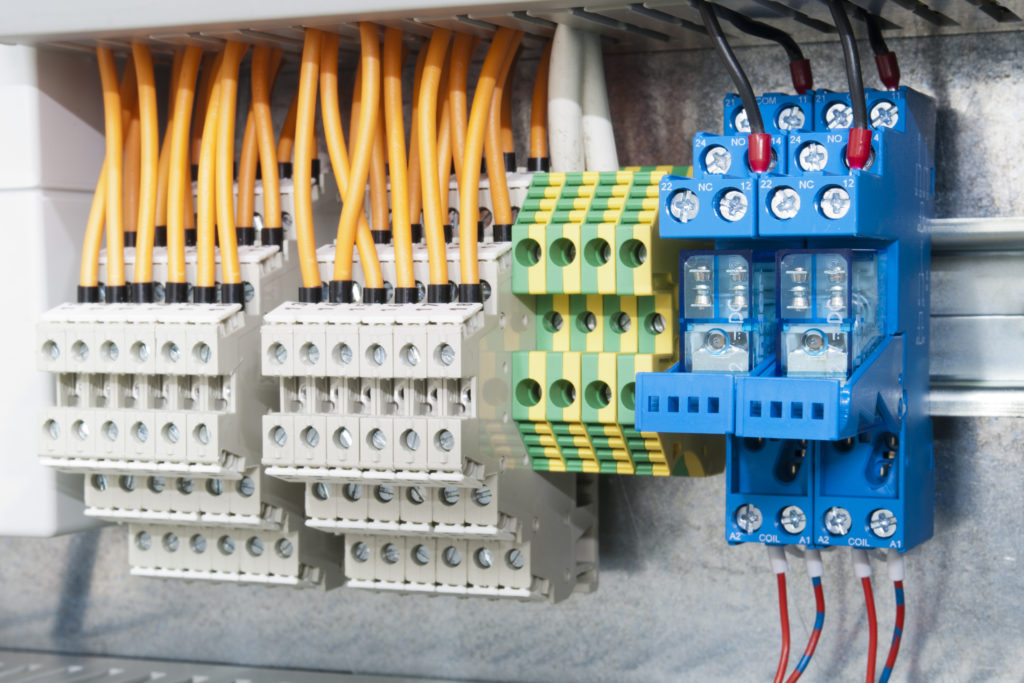
How to Wire a Terminal Block?
Wiring a terminal block is straightforward when following proper procedures:
Strip the insulation from the wire (6 to 10 mm depending on the block type).
Insert the stripped end of the wire into the correct terminal opening.
Tighten the screw or clamp to secure the wire inside.
Check for a firm connection by gently tugging on the wire.
Tip: Always power off the circuit before wiring.
How to Wire a Terminal Block Strip?
A terminal block strip is a row of individual terminals molded into a strip.
To wire it you must:
Cut the strip to the desired length if needed
Strip your wires and insert each one into a terminal
Use a flat-head screwdriver to tighten the terminal screws
Ensure no wire strands are exposed or overlapping

Use case: Common in panel wiring and control systems.
How to Insert Wire into a Terminal Block?
Steps to insert wire:
Strip the insulation to the specified length
Loosen the terminal screw (for screw-type blocks)
Push the stripped wire into the clamping hole
Tighten the screw or push the spring lever (spring-type blocks)
Important: Use the correct wire gauge to match terminal block specifications.
How to Remove a Wire from a Terminal Block?
To remove a wire:
Loosen the terminal screw (for screw-type)
For spring or push in terminals, press the release mechanism using a tool
Pull the wire straight out without twisting
Caution: Always isolate power before removing wires.
How to Connect Wire to a Terminal Block?
Connecting a wire involves:
Stripping the wire correctly
Inserting the wire fully into the terminal
Securing it by tightening the screw or engaging the spring clamp
Optionally labeling the wire or terminal for future maintenance
Recommendation: Use ferrules for stranded wires for cleaner connections.
How to Connect Wire to a Screw Terminal Block?
Screw terminal blocks require:
Properly stripped wire ends
Loosening the screw fully
Inserting the wire underneath the clamp plate
Tightening the screw securely without over-torquing
Pro tip: Use a torque screwdriver for precision.
How Many Wires Can You Put in a Terminal Block?
This depends on the terminal block’s design:
Most standard blocks are designed for 1 wire per terminal
Some allow 2 wires if they’re the same gauge and type
Always consult the manufacturer’s datasheet to avoid overheating or loose connections
Note: Overfilling a terminal may lead to arcing or connection failure.
How to Wire DIN Rail Terminal Blocks?
DIN rail terminal blocks are mounted on metal rails in control panels.
Steps:
Snap the terminal block onto the DIN rail
Strip and insert wires as per type (screw, spring, or push-in)
Connect bridges or jumpers if needed
Add end stops to secure the assembly
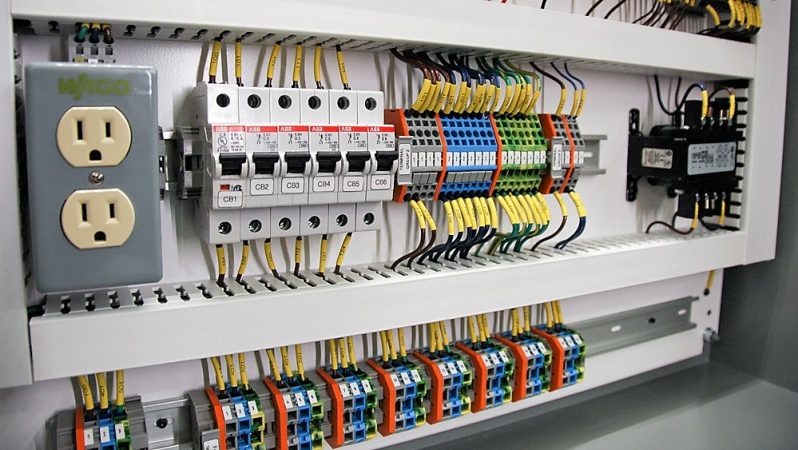
Use Case: Ideal for automation, power, and PLC applications.
What Types of Terminal Blocks Are Available?
Common types include:
Screw clamp
Spring clamp (push-in)
Barrier strip
Pluggable
Feed-through
Grounding terminal blocks
DIN rail mounted types
Choose based on voltage, current rating, and wiring method.
Can You Use Terminal Blocks for AC and DC?
Yes, Terminal blocks are designed for both AC and DC circuits.
Ensure:
Correct voltage rating
Insulation strength
Appropriate spacing to prevent arcing
Do Terminal Blocks Require Maintenance?
Yes, Periodic maintenance is recommended.
Check for loose connections
Inspect for corrosion or discoloration
Retighten screws if needed
Replace damaged or degraded terminals
What Is the Purpose of a Jumper in Terminal Blocks?
Jumpers allow you to connect multiple terminals electrically.
Used when:
Creating a common potential across terminals
Distributing power or signals without external wires

Most DIN rail blocks have built in jumper slots.
Are Terminal Blocks Reusable?
Yes.
You can:
Remove and re insert wires multiple times
Reuse the same block in new installations
Just ensure the clamp mechanism is not worn out.
What Wire Sizes Fit in a Terminal Block?
Wire sizes vary by model.
Common supported sizes:
Solid wire: 20 AWG to 10 AWG
Stranded wire: 22 AWG to 12 AWG
Always match wire gauge with the block’s specs.
Can Terminal Blocks Be Used in High-Vibration Environments?
Yes, but choose this for:
Spring clamp terminals for vibration resistance
Use locking mechanisms or ferrules for extra security
Common in automotive, rail, and heavy machinery sectors.
How to Test a Terminal Block Connection?
Testing methods:
Use a multimeter to check continuity
Perform a pull test to verify mechanical integrity
Use thermal cameras to detect hot spots in critical applications
Are There Color-Coded Terminal Blocks?
Yes.
Colors help identify:
Ground (green/yellow)
Neutral (blue)
Line or phase (black, brown, red)
Signal wiring (gray, white, orange)
Useful for error free wiring in complex panels.
Are Terminal Blocks Flame Retardant?
Most industrial terminal blocks are made of UL 94 V-0 rated flame-retardant polyamide or similar plastics.
Always check certifications like :
How Do You Label Terminal Blocks?
Labeling methods:
Clip-on plastic tags
Adhesive markers
Printed labels via thermal printer
Essential for maintenance and troubleshooting.
Understanding how to wire a terminal block is critical for electrical panel builders, control engineers, and OEMs.
Whether you’re using a screw terminal, push-in DIN rail block, or barrier strip, DIFVAN offers durable, certified terminal blocks for industrial needs.
DIFVAN supplies high-quality terminal blocks with global certifications for safe, reliable connections.
Contact us today for wholesale pricing and OEM support.

