

Choosing the right cable lug crimping tool guide directly impacts connection reliability, safety, and project timelines. Many buyers still choose tools based on price. That leads to failed crimps, overheating, and expensive rework.
If you are sourcing for EPC projects, OEM production, or distribution, you need a tool that matches cable size, lug type, and workload. This cable lug crimping tool guide gives you a clear, decision focused framework.
You will learn how to select the right tool, avoid failure risks, and source from a reliable manufacturer.
What Happens If You Choose the Wrong Tool

Wrong tool selection creates real operational risks:
• High resistance connections
• Overheating and insulation damage
• Failed inspections
• Project delays
• Increased labor and replacement cost
For B2B buyers, this is not a minor issue. It affects project delivery and reputation.
What is a Cable Lug Crimping Tool
A cable lug crimping tool compresses a lug onto a conductor to create a stable electrical connection.
A correct crimp ensures:
• Low resistance
• Strong mechanical hold
• Long service life
A poor crimp leads to failure under load.
Types of Cable Lug Crimping Tools
Manual
 • Best for small cables
• Low cost
• Limited force
 • High force output
• Suitable for industrial use
• Consistent crimping
 • Fast operation
• Ideal for field work
• High efficiency
Pneumatic
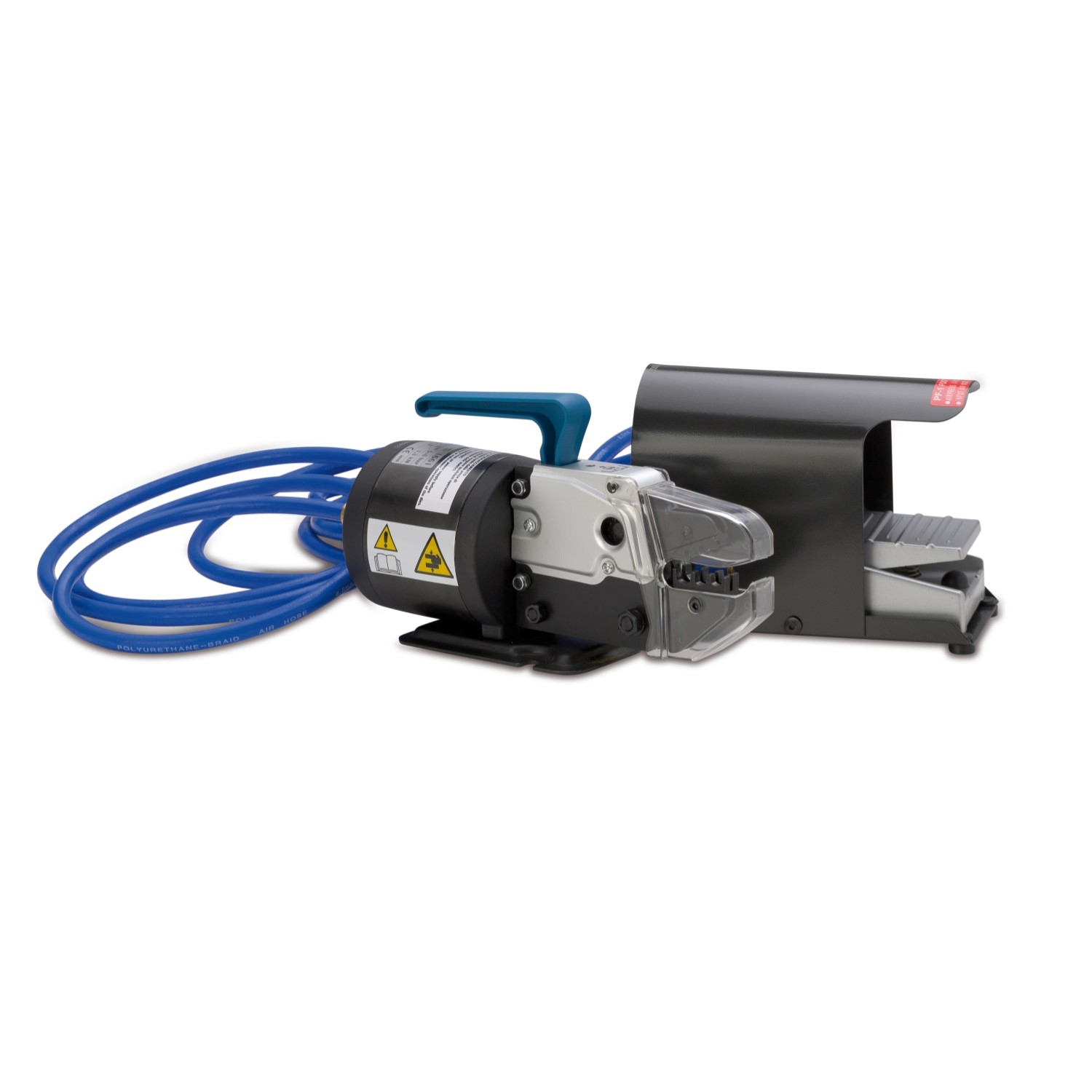 • Used in production lines
• High speed and repeatability
Electric Hydraulic
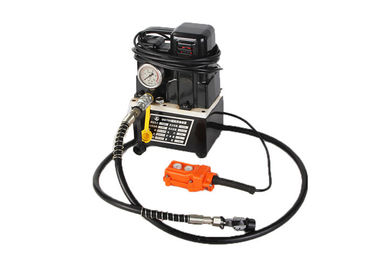 • High precision
• Minimal manual effort
• Suitable for heavy industry
Tool Comparison Guide for Buyers
Tool Type | Force Range | Cable Size Range | Power Source | Best Use Case | Advantages | Limitations | Typical Buyers |
| Manual | 1T to 6T | 1.5 mm² to 16 mm² | Hand operated | Light duty, maintenance work | Low cost, portable, simple | Low force, inconsistent for large cables | Electricians, small contractors |
| Hydraulic | 6T to 60T | 10 mm² to 400 mm² | Manual hydraulic | Industrial installation | High force, reliable, consistent | Slower cycle, requires effort | EPC contractors, installers |
| Battery Powered | 6T to 30T | 10 mm² to 300 mm² | Rechargeable | Field work, high volume tasks | Fast operation, reduced fatigue | High cost, battery dependency | Field technicians, utilities |
| Pneumatic | 10T to 100T | 50 mm² to 500 mm² | Air powered | Production lines | Very fast, consistent, automation ready | Requires air system | OEM factories, mass production |
| Electric Hydraulic | 10T to 100T | 50 mm² to 500 mm² | Electric motor | Heavy industrial applications | High precision, minimal manual effort | Expensive, less portable | Large plants, heavy industry |
Quick Selection Matrix
Cable Size | Lug Type | Recommended Tool | Tonnage |
| 1.5–10 mm² | Copper | Manual | 1T–4T |
| 16–70 mm² | Copper | Hydraulic | 6T–12T |
| 95–240 mm² | Copper/Bimetal | Hydraulic or Battery | 12T–30T |
| 300–500 mm² | Heavy Duty | Battery or Electric | 30T–60T |
Use this table to make fast decisions during procurement.
Cable Lug and Tool Compatibility Guide
Lug Type | Recommended Tool Type | Die Type | Crimp Profile | Key Consideration |
| Copper Lugs | Hydraulic or battery | Hex or indent | Hexagonal | High conductivity requirement |
| Aluminum Lugs | Hydraulic | Specialized die | Indent | Avoid material deformation |
| Bimetal Lugs | Hydraulic or battery | Dual rated die | Hex or indent | Match transition material |
| Heavy Duty Lugs | High tonnage tools | Reinforced die | Deep hex | Requires strong compression |
If you are unsure, request matching support from DIFVAN before ordering.
Recommended Tool Configurations
For faster buying decisions, use these proven setups:
- 6T hydraulic tool for 10 to 50 mm² cables
- 16T hydraulic tool for 50 to 120 mm² cables
- 30T battery tool for 120 to 300 mm² cables
- 60T electric hydraulic tool for 300 mm² and above
Recommended bundle:
• Tool + full die set + carrying case
You can request pre configured kits from DIFVAN based on your project.
Key Features and Technical Advantages
Crimping Force
• Determines compression strength
• Critical for large cables
Die Accuracy
• Ensures correct crimp profile
• Reduces resistance
Material Quality
• Hardened steel improves durability
Cycle Speed
• Faster tools improve productivity
Ergonomics
• Reduces operator fatigue
Cost vs Performance Analysis
Tool Type | Initial Cost | Lifespan | Maintenance | ROI Level | Best Use Case |
| Manual | Low | Short | Low | Low | Occasional use |
| Hydraulic | Medium | Long | Medium | High | Industrial projects |
| Battery Powered | High | Long | Medium | Very High | High volume operations |
| Pneumatic | High | Very Long | Medium | Very High | Production lines |
| Electric Hydraulic | Very High | Very Long | Low | Maximum | Heavy industrial use |
Higher cost tools reduce failure rates and labor cost over time.
Bulk Buying Checklist
Checklist Item | Why It Matters |
| Certification | Ensures compliance |
| MOQ | Affects inventory planning |
| Lead Time | Impacts project schedule |
| Spare Parts Availability | Ensures long term use |
| Sample Testing | Validates performance |
| Warranty | Reduces risk |
| Supplier Experience | Ensures consistency |
Before placing bulk orders, request samples and test under real conditions.
Still building your supplier shortlist? Our list of crimping tool manufacturers compares 10 companies by country, tool range and best use.
Crimping Standards and Compliance
- IEC standards define safety requirements
- DIN standards ensure dimensional accuracy
- UL compliance is required in many markets


Compliance reduces rejection risk in projects.
DIFVAN vs Generic Suppliers
Criteria | DIFVAN | Generic Suppliers |
| Material Quality | High grade steel | Inconsistent |
| Crimp Precision | Stable and tested | Variable |
| OEM Capability | Full customization | Limited |
| Lead Time | Reliable | Unpredictable |
| Bulk Support | Strong | Limited |
Choosing a reliable manufacturer reduces long term risk.
Crimping Process Best Practices
- Strip cable cleanly
- Use correct die
- Insert fully
- Complete crimp cycle
- Inspect result
Consistency is key for large projects.
Tool Maintenance and Lifespan
- Clean after use
- Inspect dies regularly
- Replace worn parts
- Store in dry conditions
Proper maintenance extends tool life.
Why Choose DIFVAN

Request tool matching support or bulk pricing directly from DIFVAN.
FAQs
- What is this cable lug crimping tool used for?
It helps you choose the correct tool for your application. - How do I select the correct tonnage?
Match tool force with cable size and lug type. - Can one tool handle all sizes?
No. You need different dies or tools. - Are battery tools better than hydraulic?
They are faster but more expensive. - What happens with a poor crimp?
It causes overheating and failure. - Can I use one die for all lugs?
No. Each lug type needs correct dies. - Are these tools suitable for aluminum lugs?
Yes, with proper dies. - How do I ensure quality?
Follow process and inspect crimps. - Is supplier choice important?
Yes. It affects quality and reliability. - Where can I source in bulk?
You can source from DIFVAN.
Choose the Right Crimping Tool with Confidence
This cable lug crimping tool guide helps you make accurate, risk free decisions. The right tool improves performance, reduces failures, and supports long term reliability.
If you are sourcing for projects or distribution, DIFVAN offers tested solutions, stable quality, and bulk supply capability.
Send your requirements now to get recommended configurations and competitive pricing.
Email: info@difvan.com | Phone: +86-13989771240 | WhatsApp: +86-13989771240

